
.webp?1753784653)


.webp?1729154903)
Securing a rental car in Barcelona offers unparalleled freedom to explore Catalonia and beyond at your own pace. For travelers from the USA, understanding the nuances of renting a car in Spain is crucial for a smooth experience.
Planning Your Barcelona Car Rental
When booking your vehicle, consider the time of year. Peak tourist seasons, typically from June to August and around major holidays like Easter and Christmas, see higher demand. Booking in advance can secure better rates and ensure availability.
Understanding Rental Costs
Rental prices in Barcelona can fluctuate. As a general estimate, expect to pay around 30 EUR per day for a compact car (approximately 32 USD). Larger vehicles or those with automatic transmission will cost more. Always check what is included in the base rate, such as mileage, basic insurance, and taxes. Additional options like GPS or child seats will incur extra charges.
Deposit Information: Most rental companies require a security deposit, usually charged to a credit card. This amount can range from 200 EUR to over 1000 EUR (about 215 USD to 1080 USD), depending on the vehicle category and the rental company’s policy. The deposit is typically refunded upon the car’s return, provided there are no damages or outstanding charges.
Drive in Spain: Regulations and Documentation for USA Travelers
To drive in Spain, travelers from the USA will generally need:
Valid Driver’s License: Your USA driver’s license can be used for short stays. However, it’s highly recommended to carry an International Driving Permit (IDP). An IDP serves as a translation of your domestic license and is often required or at least strongly advised by car rental agencies and Spanish authorities.
Passport: Always have your passport with you when driving.
Rental Agreement: Keep the car rental contract readily accessible.
Speed Limits: Be mindful of Spanish speed limits. On most motorways (autopistas/autovías), the limit is 120 km/h. On other roads, it varies but is typically 90 km/h outside built-up areas and 50 km/h inside cities. Always look for posted signs.
Fuel Policy: Understand the fuel policy before you rent. Most companies offer a full-to-full policy, meaning you pick up the car with a full tank and must return it with a full tank to avoid refueling charges. Some may offer a prepaid fuel option, which can sometimes be more convenient but less cost-effective if you don’t use the entire tank.
Popular Vehicle Types for Spanish Roads
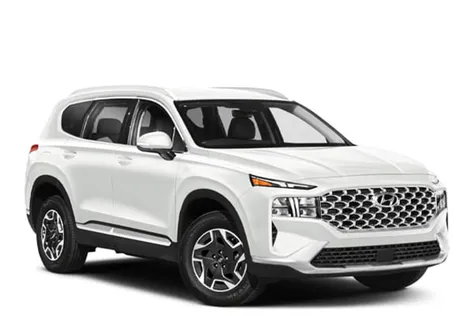
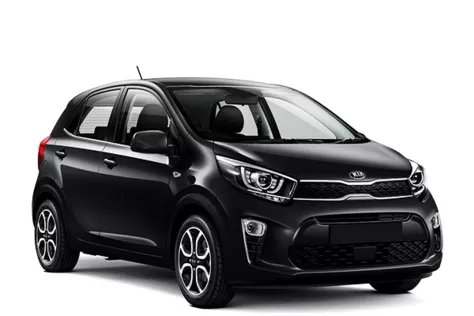
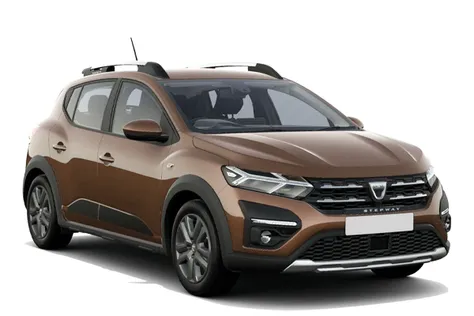
For city driving and navigating the well-maintained roads of Catalonia, a compact or economy car is ideal. Models like the Fiat 500 or a Volkswagen Golf offer good fuel efficiency and are easy to maneuver and park. If you plan to explore the mountainous regions or coastal roads, a slightly larger vehicle or an SUV might provide more comfort and better handling.
Navigating Barcelona and Beyond
Barcelona itself has a complex road network. While public transport is excellent, a car provides flexibility for day trips.
Montserrat: Hike or visit the stunning Montserrat Monastery, about an hour’s drive from Barcelona. Travel time is roughly from 1 to 1.5 hours, depending on traffic.
Girona and Costa Brava: Explore the charming city of Girona and the rugged beauty of the Costa Brava coastline. The drive to Girona takes about 1.5 hours.
Sitges: A picturesque coastal town south of Barcelona, ideal for a relaxing beach day. A short 45-minute drive.
Insurance Considerations
Third-party liability insurance is mandatory in Spain. Your rental agreement should include this. However, it’s wise to consider:
Collision Damage Waiver (CDW): This limits your financial responsibility in case of damage to the rental car. Understand the deductible (excess) amount associated with CDW.
Theft Protection (TP): Covers theft of the vehicle.
Super CDW or Full Coverage: Many rental companies offer an option to reduce or eliminate your deductible. Carefully review what each insurance package covers and compare it with any coverage your USA credit card or personal auto insurance might provide.
Avoiding Unwanted Fees
Fuel: Always ensure you return the car with a full tank if it’s a full-to-full policy. Refueling by the rental company is usually much more expensive.
Late Returns: Return the car on time as specified in your agreement. Late returns can incur substantial fees.
Tolls: Many highways in Spain are toll roads (autopistas). While faster, they add to the cost. Be prepared with cash or a credit card, or choose non-toll routes (autovías or national roads) where possible.
- ZTL Zones: Barcelona has Low Emission Zones (ZBE), and other Spanish cities have similar restrictions. Ensure your rental car is compliant or understand any access rules to avoid fines.
Parking in Barcelona
Parking in the city center can be challenging and expensive. Look for ‘Blue Zone’ (regulated street parking) or underground car parks. Many hotels offer parking for guests, often at an additional cost.
Recommendations for Your Trip
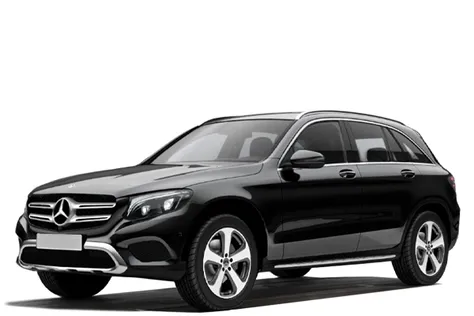
Consider renting a GPS device if you’re not familiar with the area or prefer not to rely on your phone. For a family trip, a station wagon or compact SUV will offer more space for luggage.
By understanding these aspects of car rental in Barcelona, USA travelers can ensure a comfortable and enjoyable exploration of this vibrant region of Spain.
!Image of a rental car parked near the Sagrada Familia in Barcelona alt=”Rental car with Sagrada Familia in the background, Barcelona”

————————————————————————————————————————
Please note: The information provided here is for general guidance. Always refer to the specific terms and conditions of your rental agreement and the official driving regulations of Spain.